Pain Pills
Pain pills, also known as analgesics, are medications designed to alleviate or manage pain caused by various conditions, including injuries, chronic diseases, or surgeries. They are one of the most commonly used medications globally, helping millions of people find relief from discomfort and improve their quality of life.
Types
Pain pills are classified into different categories based on their mechanism of action and the type of pain they treat:
- Over-the-Counter (OTC) Pain Pills:
- Acetaminophen (Tylenol): Effective for mild to moderate pain, such as headaches or muscle aches.
- Nonsteroidal Anti-Inflammatory Drugs (NSAIDs): Examples include ibuprofen (Advil) and aspirin. These reduce inflammation and pain caused by injuries, arthritis, or menstrual cramps.
- Prescription Pain Pills:
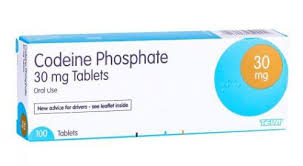
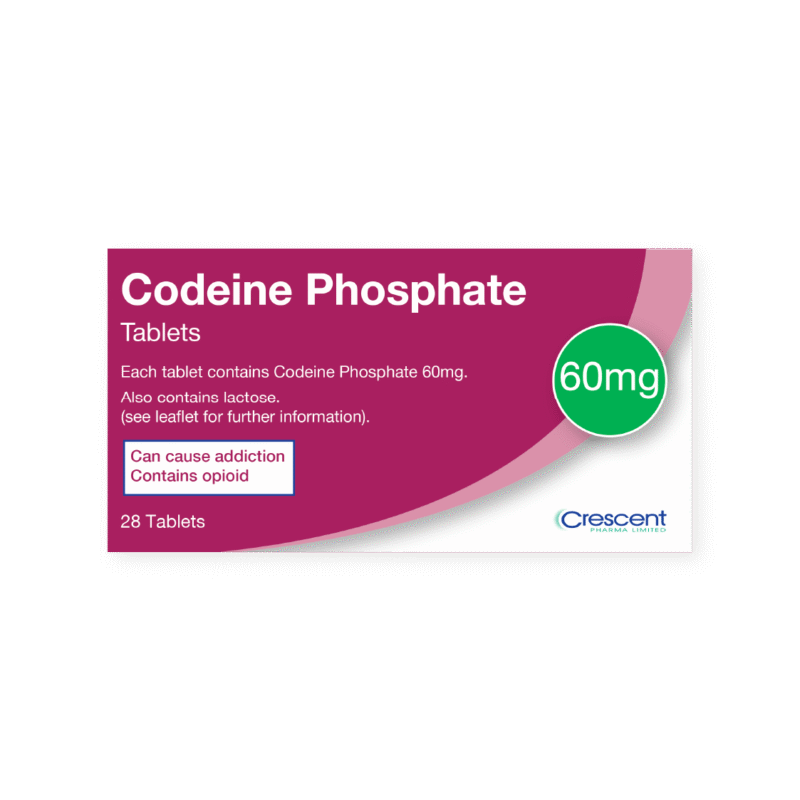
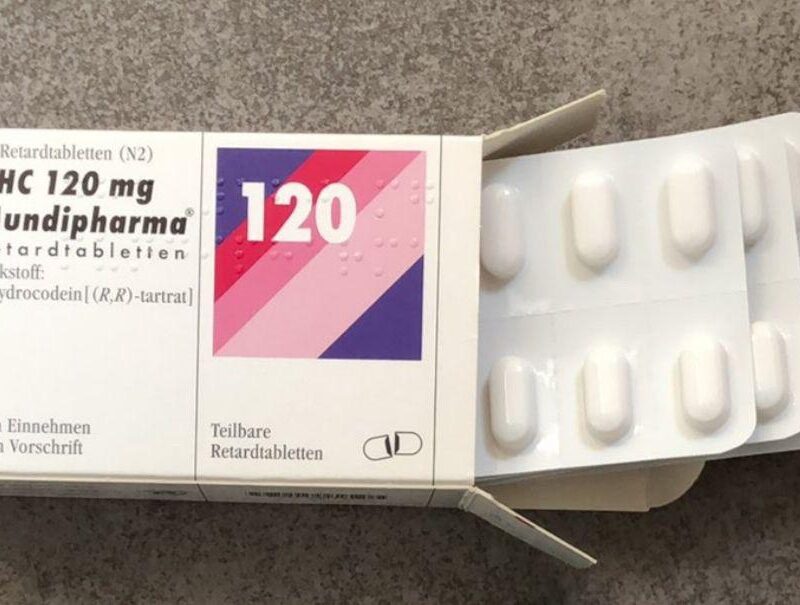
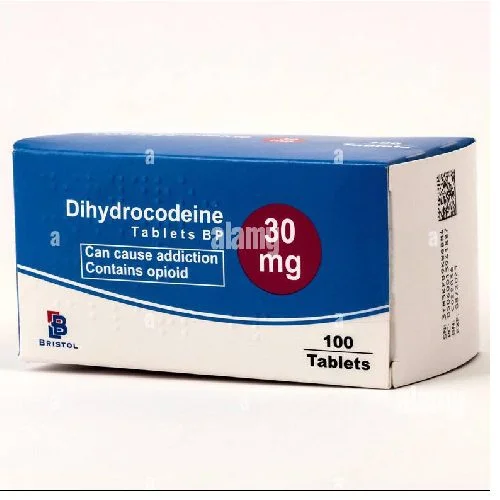
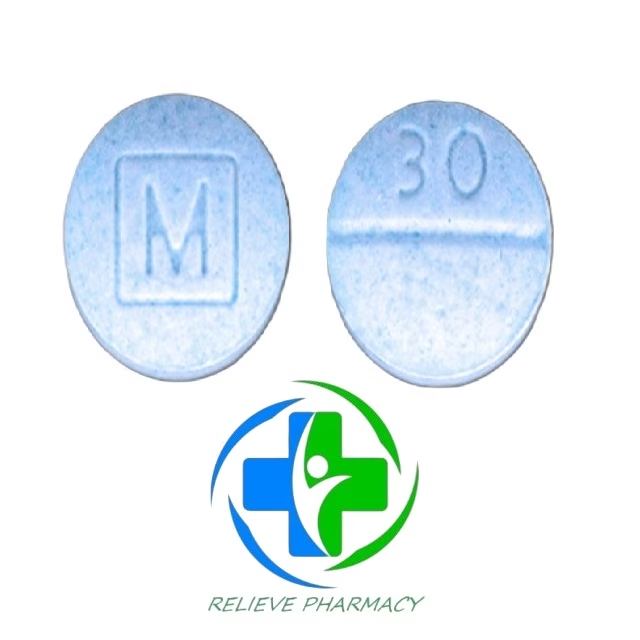
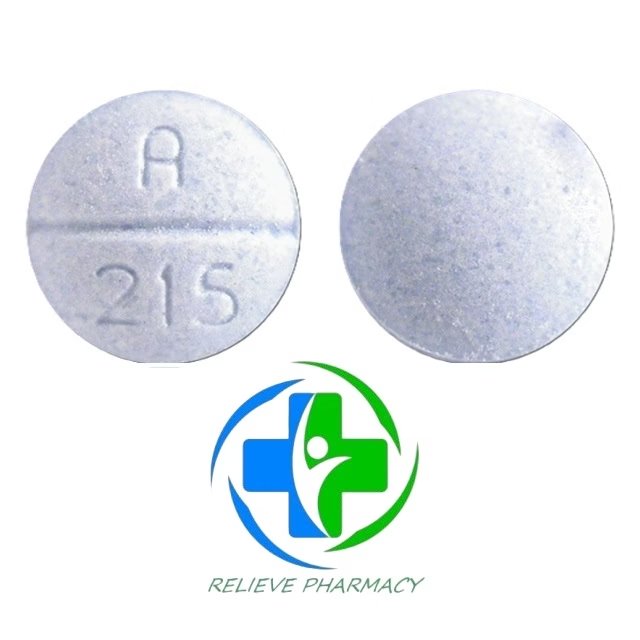
- Opioids: Strong pain relievers like oxycodone, hydrocodone, and morphine, typically prescribed for severe or chronic pain.
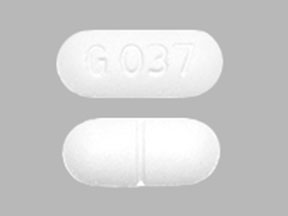
- Muscle Relaxants: Medications like carisoprodol or cyclobenzaprine, often used for muscle pain and spasms.
- Antidepressants and Anticonvulsants: Sometimes prescribed for nerve-related pain, such as fibromyalgia or neuropathy.
- Topical Pain Relievers:
- Creams, gels, and patches containing ingredients like lidocaine or capsaicin for localized pain relief.
How it Works
Pain pills work by blocking pain signals to the brain or reducing inflammation at the source of the pain. For example:
- Acetaminophen: Alters the way the brain perceives pain.
- NSAIDs: Reduce inflammation by inhibiting enzymes responsible for swelling and pain.
- Opioids: Bind to receptors in the brain and spinal cord to block severe pain signals.
When to Use
Pain pills can be used for a variety of conditions, including:
- Acute pain from injuries or surgeries.
- Chronic conditions like arthritis, migraines, or back pain.
- Nerve-related pain (neuropathy).
Risks and Side Effects
While pain pills are effective, they can have side effects and risks, especially with long-term use:
- Common Side Effects: Nausea, drowsiness, dizziness, or upset stomach.
- Dependency Risk: Particularly with opioids, which can lead to addiction if not used as prescribed.
- Overuse Issues: Long-term NSAID use can cause stomach ulcers, kidney damage, or cardiovascular issues.
Safe Use of Pain Pills
- Always follow the prescribed dosage and duration.
- Avoid mixing pain pills with alcohol or other medications without consulting a doctor.
- Discuss potential risks with your healthcare provider, especially if you have existing medical conditions.
Conclusion
They are a crucial tool for managing discomfort, but they should be used responsibly under medical guidance. Whether you’re dealing with a headache or chronic pain, the right medication can significantly improve your quality of life.
For a wide range of pain relief medications, visit Relieve Pharmacy. We offer genuine products, secure shopping, and expert support to help you find the best solution for your needs.
Showing 1–9 of 60 results